
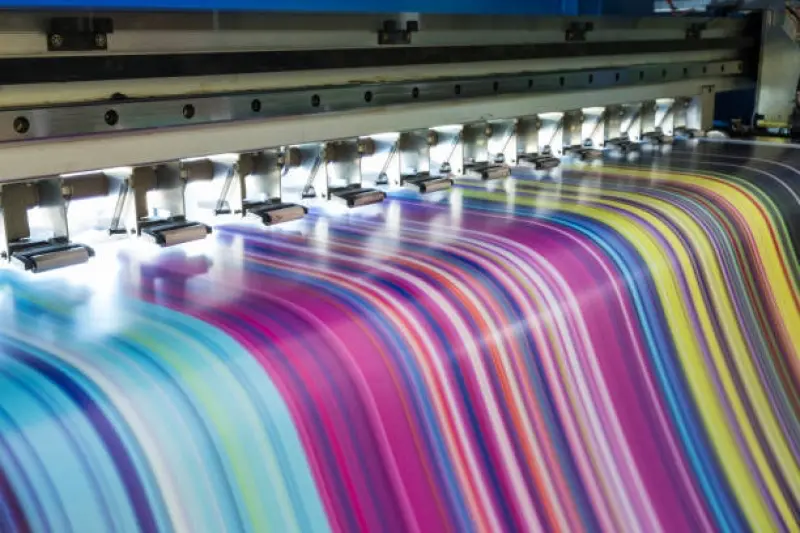
Here at Solweb, we have several customers within the Plastics manufacturing sector. We have developed applications that are specific to their operations, that save them time and money. Custom software is playing a significant role in advancing the plastics production sector by offering tailored solutions that enhance efficiency, quality, and innovation. Here are several ways custom software is benefiting this industry:
Process Optimisation and Automation
Custom software can streamline manufacturing processes by automating repetitive tasks, reducing human error, and increasing production speed. For instance, software can control injection molding machines, ensuring precise control over the production parameters, which leads to consistent product quality and reduced waste.
Inventory Management
Efficient inventory management is crucial for plastics production, where raw materials and finished products need to be carefully tracked. Custom software can provide real-time inventory monitoring, automate reorder processes, and optimise stock levels to prevent shortages or overstock situations.
Quality Control
Quality control in plastics manufacturing is enhanced through custom software that integrates with inspection equipment and sensors. This software can collect and analyse data from production lines, identify defects in real time, and provide detailed reports, helping to maintain high-quality standards and reduce scrap rates.
Supply Chain Management
Custom software can streamline supply chain operations by integrating various stages from procurement to delivery. It can facilitate better communication between suppliers, manufacturers and distributors, ensuring timely delivery of materials and finished products. This integration helps in minimising delays and reducing costs.
Product Design and Development
In the design and development phase, custom software, such as CAD (Computer-Aided Design) and CAM (Computer-Aided Manufacturing) tools, helps in creating detailed product designs and prototypes. These tools can simulate the production process, allowing designers to identify potential issues and make necessary adjustments before actual manufacturing begins.
Data Analytics and Reporting
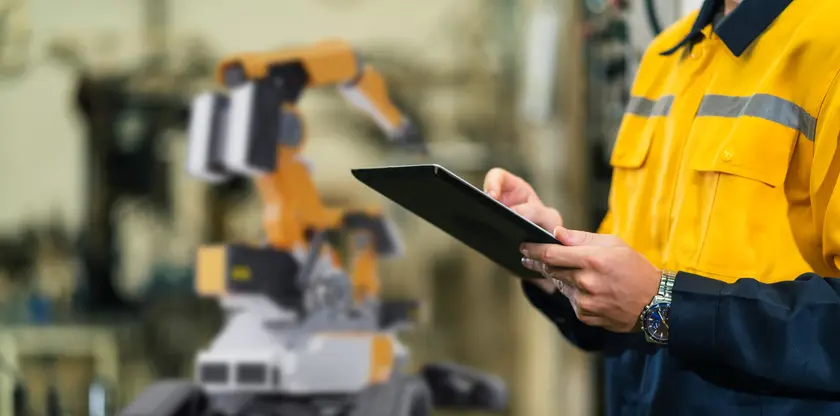
Custom software can collect and analyse large volumes of data generated during the manufacturing process. Advanced analytics can provide insights into production efficiency, equipment performance, and product quality. These insights help in making informed decisions, optimising operations and improving overall productivity.
Predictive Maintenance
Predictive maintenance software uses data from sensors and historical maintenance records to predict when equipment is likely to fail. By identifying potential issues before they become critical, manufacturers can schedule maintenance during non-productive times, thus minimising downtime and avoiding costly repairs.
Compliance and Traceability
Custom software can ensure compliance with industry standards and regulations by maintaining detailed records of the manufacturing process, materials used and quality checks performed. Traceability features help in tracking products from raw material to finished goods, which is essential for quality assurance and recall management.
Energy Management
Energy consumption is a significant cost factor in plastics production. Custom software can monitor and optimise energy usage across the production line, identifying areas where energy is wasted and suggesting improvements. This can lead to substantial cost savings and a reduced environmental footprint.
Customer Relationship Management (CRM)
Custom CRM software helps in managing customer interactions, tracking orders, and providing after-sales support. This enhances customer satisfaction by ensuring timely deliveries, addressing customer concerns efficiently, and maintaining strong relationships with clients.
A notable example is a custom ERP (Enterprise Resource Planning) system was implemented by a leading plastics manufacturer. The system integrated all aspects of their operations, from production planning and scheduling to inventory and order management. As a result, the company experienced a 20% increase in production efficiency, a 15% reduction in lead times, and significant improvements in product quality and customer satisfaction.
In summary, custom software solutions are transforming the plastics production sector by enhancing operational efficiency, ensuring high-quality standards and enabling innovation through advanced technologies. These tailored solutions provide a competitive edge by addressing specific industry challenges and optimising the entire production process.