One of the most relied upon industries in the UK is the agricultural industry. Yet, despite this reliance, our farmers seem to continually face daily challenges that make life very diifficult to run a successful business. Whether it be fluctuations in the market, pricing, extreme weather events, compliance with complex regulations, finding skilled labour at affordable rates or many other situations like this that they face, the agricultural industry is a tough gig! Custom software is playing an ever-increasing role within agriculture, revolutionising certain areas and helping farmers deal with some of the aforementioned challenges. Here, we take a look at some of the benefits that custom software can provide:
Tailored Solutions
Custom software can be designed specifically to meet the unique needs and requirements of agricultural businesses, addressing specific challenges and workflows.
Increased Efficiency
Automation of repetitive tasks, such as data entry, monitoring, and reporting, can significantly increase efficiency and reduce manual labor, allowing agricultural workers to focus on more value-added activities.
Improved Decision-Making
Custom software can collect, analyse and present data in real-time, enabling farmers and agricultural businesses to make more informed decisions about crop management, resource allocation and risk mitigation.
Enhanced Precision Agriculture
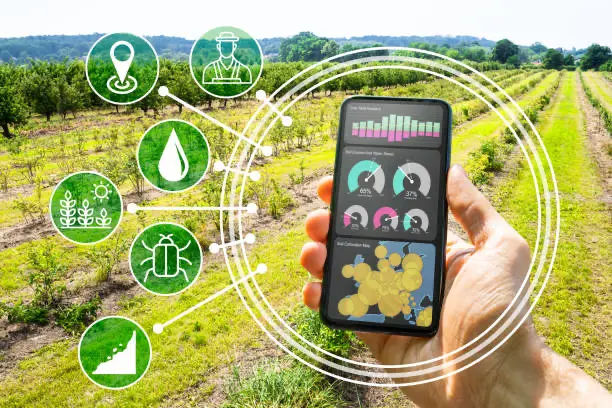
Custom software can integrate with sensors, drones, GPS, and other technologies to enable precision agriculture practices, such as variable rate application of fertilisers and pesticides, leading to optimised yields and resource utilisation.
Data Management and Analysis
Agricultural operations generate vast amounts of data from various sources, including weather conditions, soil health, crop yields, and machinery performance. Custom software can organise and analyse this data to extract valuable insights and trends, facilitating better planning and management.
Supply Chain Optimization
Custom software can streamline supply chain management processes, including inventory tracking, logistics, and distribution, leading to improved coordination and cost savings.
Compliance and Regulatory Requirement
Custom software can help ensure compliance with industry regulations and standards, such as food safety regulations and environmental guidelines, by providing tools for monitoring and documentation.
Risk Mitigation
By providing early detection of potential issues, such as pest infestations or weather-related threats, custom software can help farmers proactively mitigate risks and minimise crop losses
Overall, custom software solutions can play a crucial role in modernising and optimising agricultural operations, enabling farmers and agricultural businesses to adapt to changing market dynamics and achieve sustainable growth.