
On Thursday 13th November 2025, Rob Tanner our Commercial Manager, attended the annual Ferndown Business Awards at the Barrington Theatre in Ferndown. We had been notified in the weeks leading up to the awards that we had been shortlisted for an award. What we didn't know until the day, was that we had actually been shortlisted in two categories, those being Outstanding Service and B2B Business of the Year.
Hundreds of local businesses entered this year and were independently considered by the judges for numerous awards. Having been entered and nominated into the awards for our work, we are very pleased and proud to announce that we won both the awards that we were shortlisted for. Phrases used by the judges to describe our offering included "Outstanding Service", "On top of their game" and "Masters at what they do".
Solweb also sponsored the New Business award and offer our congratulations to this years winners, Know Wander Art Club.

At a time when business costs seem to be forever increasing, we offer a service that provides the opportunity for businesses to review their processes and make changes that save both time and money. By automating and integrating internal systems to facilitate the transfer of data, instead of manual entry by personnel, it gives businesses the ability to resource staff elsewhere, such as business development or proactive sales roles. We work in all sectors and welcome all businesses who are looking to save money whilst improving the way they work.

As always, we would like to thank Nigel Reeve, Marketing Director at Marketing SW Ltd and all those associated with organising the local awards ceremonies. This year, the Barrington Theatre in Ferndown was an ideal venue for which to host the awards and a nice lunch, drinks and networking opportunities were enjoyed by all those in attendance. We are already looking forward to 2026 and hopefully being in the running to win more awards!

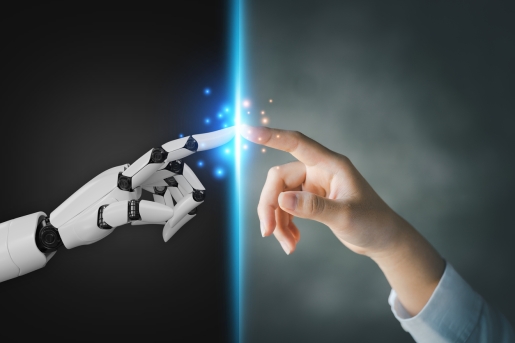
It is no secret that the world is evolving at a rapid pace and one of the most significant drivers of change is robotics. Once confined to industrial assembly lines and high-tech laboratories, robots are now making their way into our homes, workplaces and even our social interactions. The impact of robotics on our daily lives will be profound, reshaping everything from the way we work to how we perform mundane household tasks. Whilst we can be quite certain that, for example, The Terminator movie franchise, where the robots become self aware and try to destroy mankind, is that of pure fantasy, the concept of robots becoming integrated in human life, is already happening in many ways. In this blog, we will take a look at where and how.
1. Robotics in the Workplace
Automation has already transformed industries such as manufacturing and logistics, with robots taking over repetitive and physically demanding tasks. However, the future holds even more advanced robotic assistants capable of handling complex operations, including customer service, healthcare and education. AI-powered chatbots and robotic assistants are already streamlining administrative tasks in offices, reducing workloads and improving efficiency.
Robots are also revolutionizing healthcare. Surgical robots are providing greater precision in operations, while robotic exoskeletons assist individuals with mobility impairments. AI-driven diagnostic tools can analyze medical data faster than human doctors, leading to quicker and more accurate diagnoses.

2. Smart Homes and Domestic Robots
The concept of a smart home is becoming increasingly mainstream, thanks to robotic technologies. Robotic vacuum cleaners, lawnmowers and window-cleaning bots are already saving people time and effort. In the near future, we can expect even more sophisticated home assistants, such as robots capable of cooking meals, folding laundry, or even providing companionship for elderly individuals.
Voice-controlled AI assistants like Alexa and Google Assistant are early examples of home automation, but the next generation of domestic robots will be more autonomous, learning household routines and adapting to user preferences. These advancements will make life more convenient and allow people to focus on more meaningful activities rather than household chores.

3. Transportation and Autonomous Vehicles
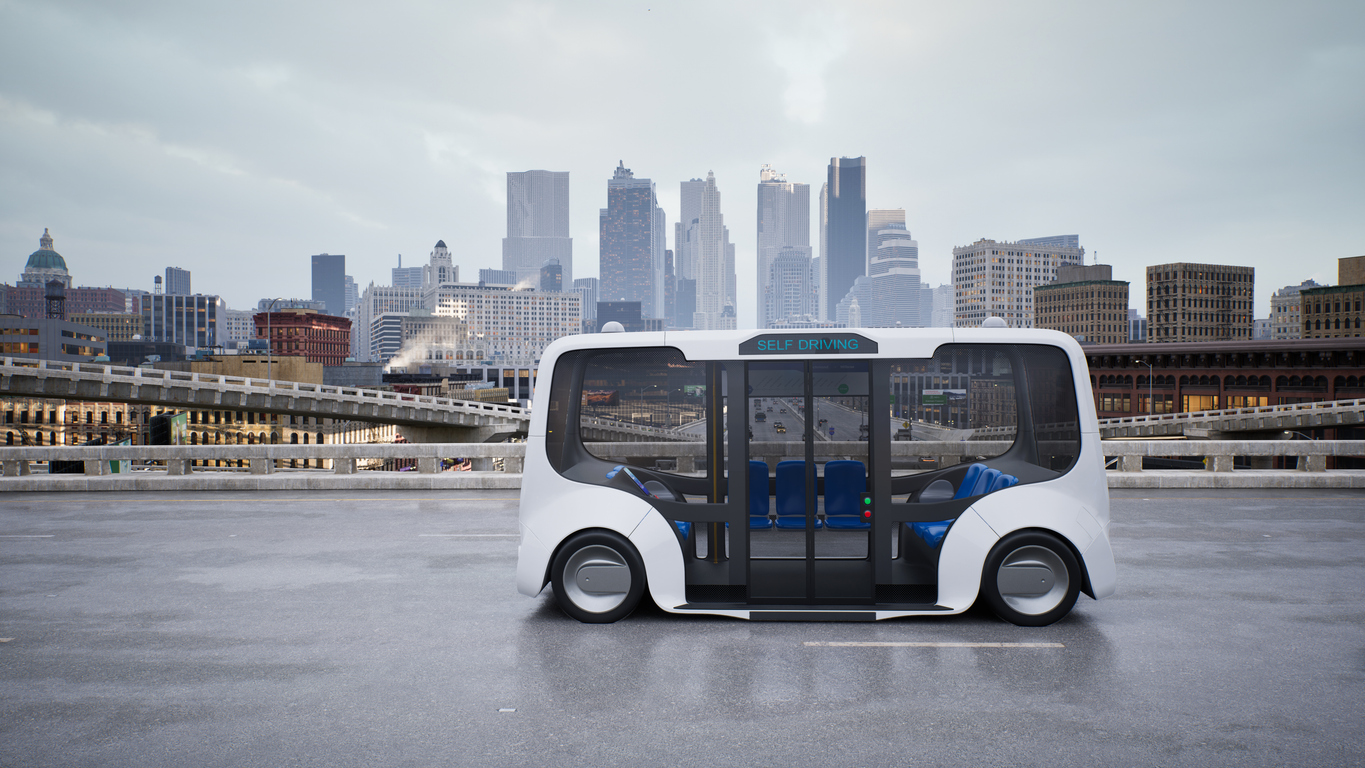
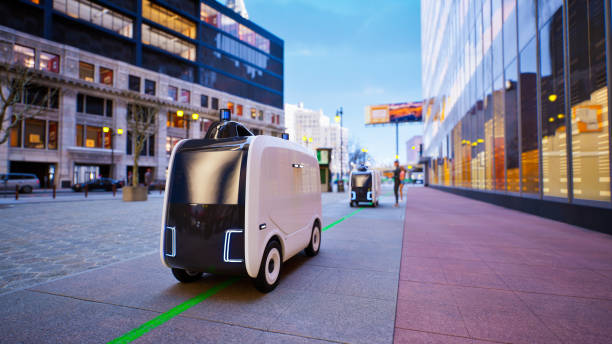
Self-driving cars and delivery drones are set to revolutionize the way we travel and receive goods. Autonomous vehicles powered by robotics and AI promise safer roads by reducing human errors that lead to accidents. In urban areas, self-driving taxis and buses will provide efficient, cost-effective transportation, reducing traffic congestion and lowering emissions.
Delivery robots and drones are already being tested by companies like Amazon and FedEx, promising faster and more efficient logistics. In the near future, we may see autonomous robots delivering groceries, medicines and other essentials right to our doorsteps.
4. Social and Emotional Robotics
Robots are not just about performing tasks, they are also becoming companions and emotional support systems. Social robots like Pepper and Paro are designed to interact with humans, providing companionship for the elderly, children and individuals with special needs. These robots can help combat loneliness, offer entertainment and even assist with mental health therapy.
As AI and robotics become more advanced, these machines will better understand human emotions and respond with appropriate expressions, tone and gestures, making interactions with them feel more natural and comforting.

5. Education and Learning Assistance
Robots are also playing a role in education by serving as tutors and teaching assistants. AI-powered robots can provide personalized learning experiences, helping students grasp difficult concepts at their own pace. Interactive learning tools, such as robotic coding kits, are already popular in schools, encouraging children to develop STEM skills from an early age.
Additionally, language-learning robots are helping people learn new languages through real-time conversation, offering an engaging and immersive experience. The integration of robotics in education will make learning more interactive, fun and accessible to all.

Summary
Robotics is not a distant future concept....it is already reshaping our daily lives in remarkable ways. From workplaces and homes to transportation and social interactions, robots are becoming an integral part of our world. While there are concerns about job displacement and ethical implications, the potential benefits of robotics far outweigh the challenges. As we move forward, embracing and adapting to these advancements will help us harness the full potential of robotics to improve our quality of life. The robotic revolution is here and it’s only just beginning!
Hasta la vista...baby!
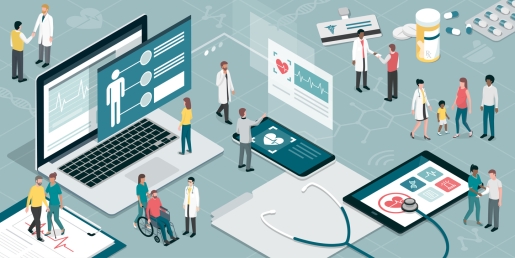
In the UK, the NHS is under growing pressure to continually deliver the appointments and services we have become used to over the years. Still reeling from a pandemic, the NHS has patients being subjected to wait times for appointments and operations for up to eithteen months, or even two years in some cases. Of course, constant investment into the NHS is needed to ensure ongoing recruitment and training of doctors. nurses and other healthcare professionals to continue their amazing jobs and carry out the services they provide on a daily basis. Not only is investment into people so important, so is the need for technology to remain at the forefront of the service.
The healthcare industry is constantly evolving, with new technologies being introduced all the time to help improve patient care, streamline operations and reducing costs. One of the most impactful innovations in recent years is software automation. By leveraging artificial intelligence (AI), machine learning and robotic process automation (RPA), healthcare organizations are optimizing workflows and enhancing service delivery. In this blog, we explore how software automation benefits the healthcare industry.
1. Improved Patient Care and Safety
Patient care is at the heart of healthcare and automation significantly enhances it. Automated systems help reduce human errors in medication dispensing, patient monitoring and diagnostic processes. For instance:
- Electronic Health Records (EHRs): Automation ensures that patient data is accurately recorded, reducing the risk of errors.
- AI-Assisted Diagnostics: AI-powered software can analyze medical images and detect diseases like cancer more accurately and faster than traditional methods.
- Automated Medication Dispensing: Some hospitals use robotic systems to dispense medications precisely, minimizing the risk of incorrect prescriptions.

2. Increased Operational Efficiency
Healthcare facilities manage vast amounts of administrative tasks daily. Automation streamlines operations, reducing workload and improving efficiency. Some key benefits include:
- Appointment Scheduling: AI-driven scheduling systems optimize patient appointments, reducing wait times and ensuring better resource allocation.
- Billing and Claims Processing: Automated billing systems minimize errors, ensuring timely reimbursements and reducing administrative burden.
- Supply Chain Management: Automated inventory tracking ensures hospitals have necessary medical supplies without overstocking or shortages.
3. Cost Reduction
By minimizing manual processes and improving efficiency, software automation helps healthcare providers reduce operational costs. Some cost-saving advantages include:
- Reduced Paperwork: Digital documentation cuts costs associated with paper-based records.
- Lower Staffing Costs: Automating repetitive tasks allows staff to focus on higher-value activities.
- Minimized Medical Errors: Preventing errors reduces expenses related to malpractice claims and unnecessary treatments.

4. Enhanced Data Management and Security
Data security is critical in healthcare due to sensitive patient information. Automation strengthens data management through:
- Encrypted EHR Systems: Ensuring that patient records are securely stored and accessed only by authorized personnel.
- Automated Compliance Monitoring: Software can track compliance with regulations such as HIPAA, reducing the risk of breaches.
- AI-Based Cybersecurity: Machine learning algorithms detect and prevent potential security threats in real time.
5. Better Patient Engagement and Experience
Patients expect convenient and accessible healthcare services. Automation enhances patient experience in several ways:
- Telehealth Services: Automated systems streamline virtual consultations, making healthcare more accessible.
- Chatbots for Customer Support: AI-powered chatbots assist patients with queries, appointment booking, and prescription refills.
- Personalized Treatment Plans: AI analyzes patient data to recommend customized treatment plans, improving outcomes.
The Future of Automation in Healthcare
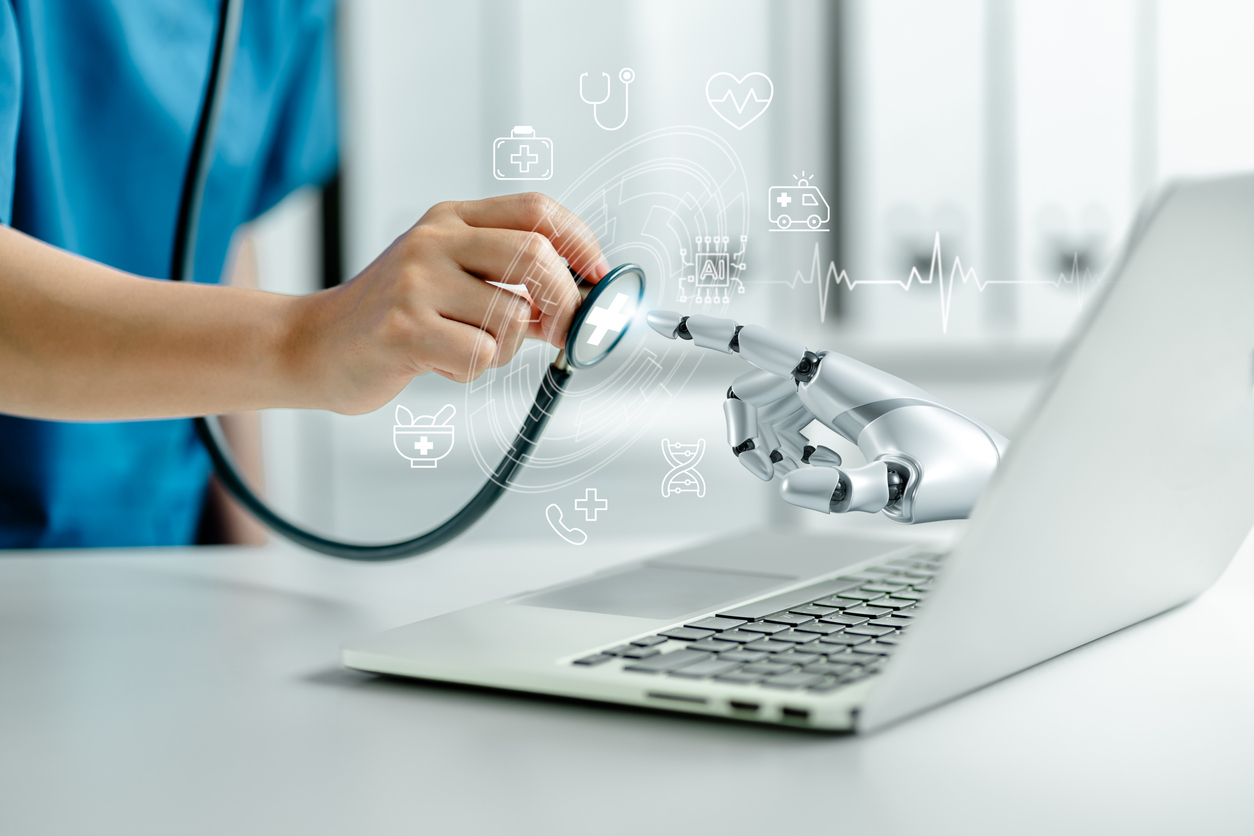
As technology advances, the role of automation in healthcare will only grow. Emerging trends include:
- AI-Powered Predictive Analytics: Identifying disease patterns and predicting outbreaks before they happen.
- Robotic Surgery: Enhancing precision in surgical procedures.
- Blockchain for Secure Data Sharing: Ensuring secure and transparent patient data exchange.
Conclusion
Software automation is revolutionizing the healthcare industry by improving patient care, enhancing efficiency, reducing costs and strengthening data security. As more healthcare providers adopt automation technologies, the industry will continue to evolve, leading to better patient outcomes and a more streamlined healthcare system. Investing in automation today will pave the way for a smarter, more efficient future in healthcare and maybe those waiting times will finally start to come down.........

As we dive into 2025, it’s impossible not to be amazed by how rapidly technology has evolved. The past five years have seen advancements that were once confined to science fiction become everyday realities. From AI companions to sustainable energy solutions and breakthroughs in health tech, technology continues to redefine the way we live, work and connect. Here's a detailed exploration of the key technological advancements shaping 2025.
Artificial Intelligence: From Assistance to Autonomy
AI has evolved from a supportive tool to an autonomous force that powers industries. In 2025, generative AI models have become commonplace, assisting in creative tasks like content creation, software development, and even scientific research. AI companions, resembling human-like personalities, are helping individuals with mental health support and companionship.
Businesses are leveraging AI to improve customer experiences, predict market trends, and optimize supply chains. The conversation around ethical AI has become more critical, with regulations ensuring responsible AI deployment to protect users' privacy and data.

The Age of Hyperconnectivity: 6G and Beyond
With 6G networks now operational, internet speeds have reached unprecedented levels, enabling new possibilities in virtual and augmented reality experiences. Hyperconnectivity allows for seamless communication between devices, creating smart cities where traffic, energy consumption, and public services are optimized in real time.
The widespread adoption of edge computing has further improved latency and processing power, enabling industries like healthcare, automotive, and manufacturing to benefit from real-time analytics and decision-making.
The Rise of the Metaverse
The metaverse is no longer a futuristic concept but a vibrant and integral part of digital life. In 2025, people attend virtual concerts, shop in digital malls and collaborate in virtual workspaces. Companies have invested heavily in creating immersive experiences that blend the physical and digital worlds.
Virtual real estate is booming, with individuals and businesses purchasing, developing and monetizing properties in the metaverse. Digital fashion has also taken off, allowing people to customize their virtual avatars with exclusive designer outfits.

Breakthroughs in Health Tech
The healthcare industry has witnessed remarkable transformations thanks to advancements in biotechnology, wearable devices, and AI-driven diagnostics. In 2025, personalized medicine is more accessible, with treatments tailored to an individual's genetic makeup and lifestyle.
Wearable health monitors continuously track vital signs, detect anomalies, and even predict potential health issues. Telemedicine has become the norm, providing patients with instant access to healthcare professionals regardless of their location. AI-assisted surgeries have improved precision and reduced recovery times.
Renewable Energy Revolution
As the world grapples with climate change, technology has played a crucial role in driving the renewable energy revolution. In 2025, solar and wind energy are more efficient and cost-effective than ever before. Energy storage technologies have advanced, enabling reliable access to clean power even during periods of low generation.
Smart grids powered by AI and IoT optimize energy distribution, reducing waste and ensuring a stable supply. Electric vehicles dominate the roads and wireless charging infrastructure has become commonplace.

Space Exploration and Commercialization
The space industry has reached new heights in 2025. Commercial space travel is becoming more accessible, with private companies offering trips to low Earth orbit. Mars colonization efforts are underway, with research stations established to study the planet's potential for sustaining human life.
Satellite technology has revolutionized global communication, disaster monitoring and environmental research. The dream of a space-based internet is becoming a reality, bridging the digital divide for remote regions.

Ethical and Security Challenges
With great technological advancements come significant ethical and security challenges. Data privacy remains a top concern as hyperconnectivity increases the risk of cyber threats. Governments and organizations are investing heavily in cybersecurity measures to protect sensitive information.
The ethical implications of AI and genetic engineering are being hotly debated. Ensuring that technology serves humanity responsibly and equitably is a challenge that requires ongoing collaboration between policymakers, technologists, and society at large.
Looking Ahead
As we continue through 2025, the potential for further technological advancements is boundless. The convergence of AI, biotechnology, renewable energy and space exploration will undoubtedly lead to innovations we can only begin to imagine.
While challenges remain, the spirit of innovation and the drive to create a better future persist. By harnessing technology responsibly and inclusively, we can shape a world where progress benefits everyone.

Solweb Celebrates 25 Years in Business
In the year 2000, Solweb Ltd was born. Started by Managing Director, Wayne Dix, he recognised that there was a need for custom software development for businesses who struggled with "off the shelf" software solutions. Fast forward to 2025 and we are now celebrating our 25th work anniversary. Having survived many business challenges including a recession and a pandemic, we continue to break turnover records as our business continues to steadily grow and we now provide not only custom software development solutions, but system integration services and e-commerce web development. With our dedicated and extremely knowledgeable team, we now have an extensive customer base across the UK and US, for whom we provide a variety of software services that support their business operations.

We are proud to have customers in such a diverse range of businesses, as this is testament to our versatility when it comes to providing solutions. We support clients in aviation, plastics, medical, agricultural, electronics, automotive and accounting to name just a few and have developed many bespoke software applications that are tailored to their business and have streamlined their processes. These investments into their businesses, provide substantial savings in both time and money and allow them to restructure personnel to allow them to be more proactive within the workplace, whilst the automation takes care of the previous manual tasks. This has proven to be a tried and trusted method over the years and one we will continue to nurture and grow as we look to expand our client base yet further.
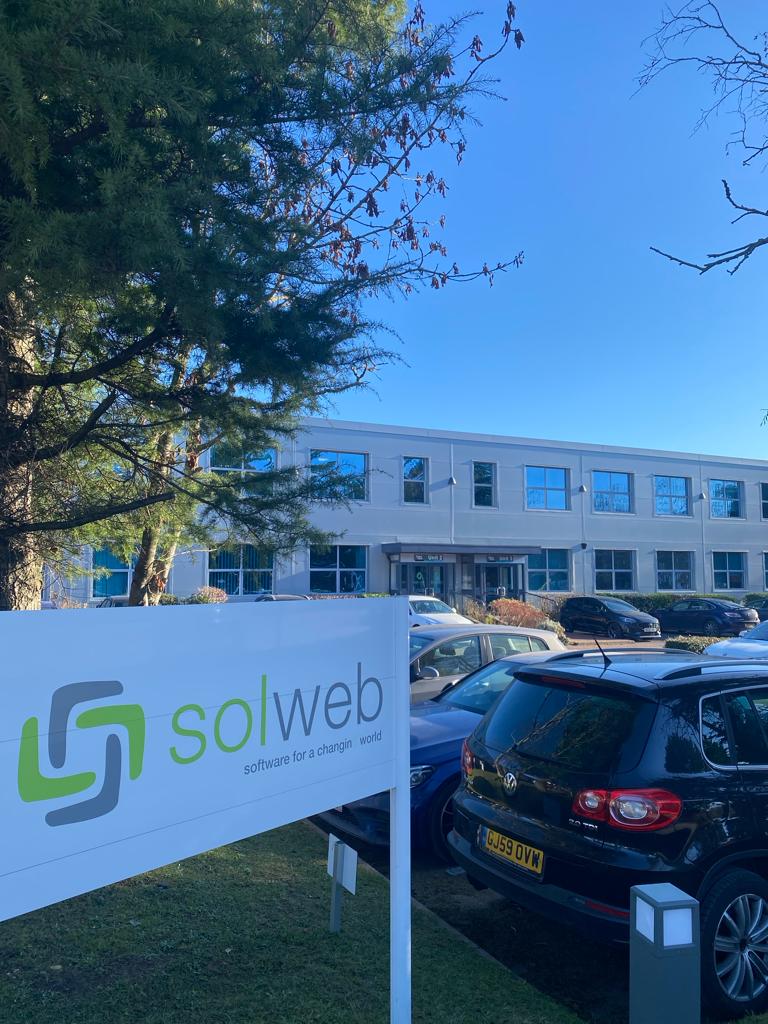
According to recent UK business reports, less than 5% of businesses in the UK reach 20 years in operation, with only a very small percentage (around 1.3%) lasting beyond 50 years. This means that the percentage of businesses making it to 25 years is likely to be very low, likely falling within that "less than 5%" category. We are exceptionally proud to have achieved 25 years in business and place ourselves in that category.
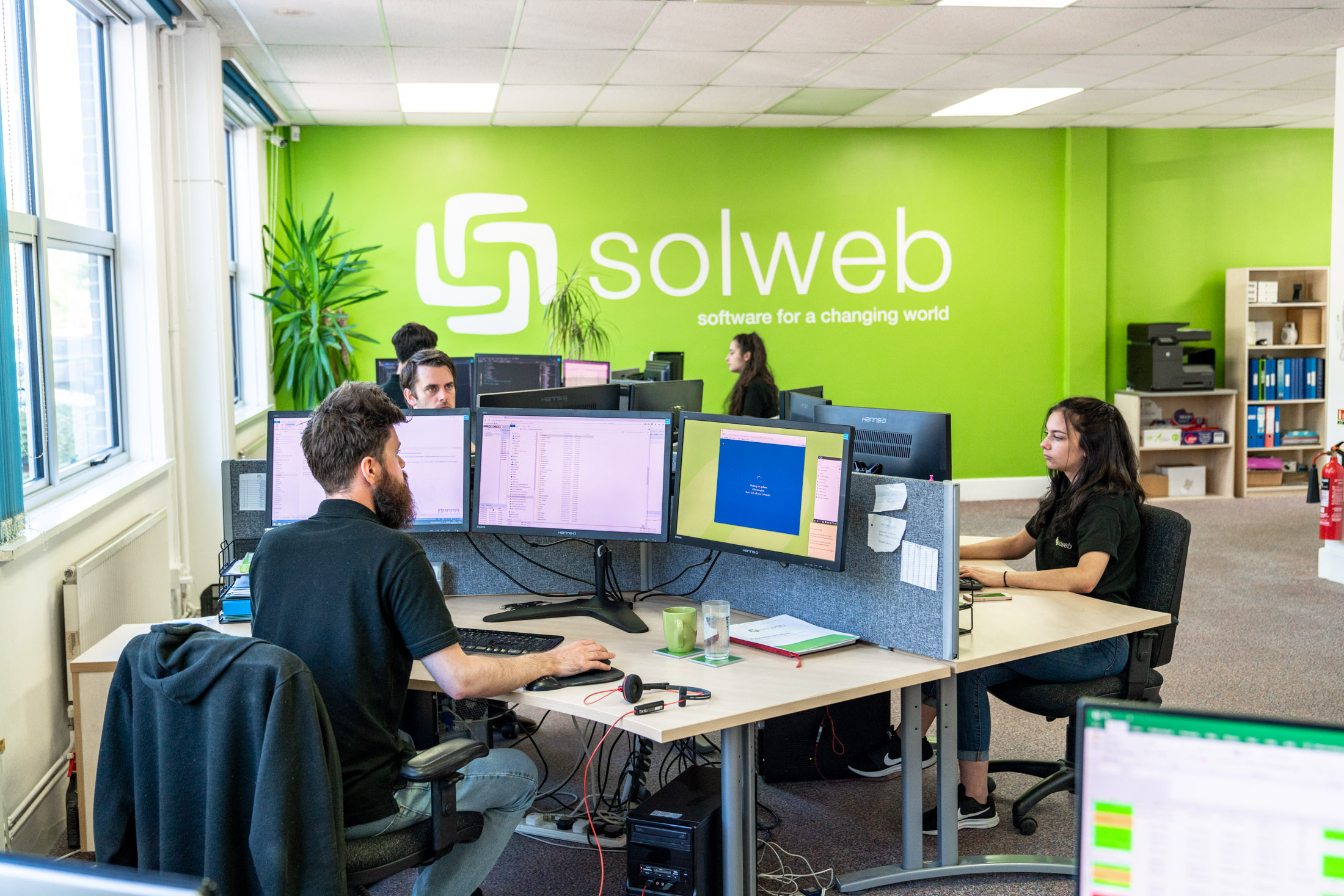
Whilst we look back and are very proud of our achievements in those 25 years in business, we are heavily focused on looking forward and continuing our journey, winning new clients and supporting our existing ones. We have a loyal and talented team that provide a service that is second to none and when you add the exceptional quality of our software products, you have a winning formula, that we want to offer to as many businesses as possible. If you think we can help you please send us a contact form https://www.solweb.co.uk/contact, call us on (01202) 232846 or drop us an email to This email address is being protected from spambots. You need JavaScript enabled to view it.
Here's to the next 25 years !!
Manufacturing Software in 2025
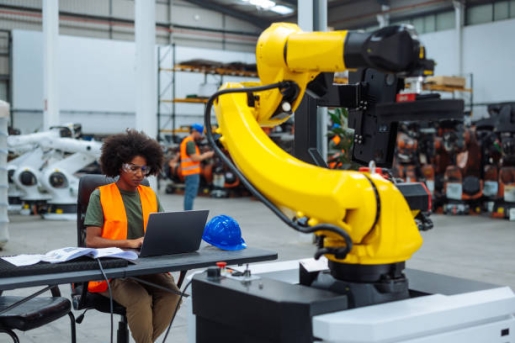
In 2025, software will play a pivotal role in transforming the manufacturing sector, driving advancements in automation, connectivity, and efficiency. Here at Solweb we work with businesses right across the manufacturing sector including those in aviation, plastics, computers, marine and many others. We are looking forward to a busy year supporting our clients with developments in their respective businesses and helping them to increase profitablity.
In this blog we will take a look at several key areas that will contribute to the developments we expect to see in 2025.
1. Enhanced Automation and AI Integration
Manufacturers are increasingly adopting AI-driven solutions to automate complex tasks, improve decision-making and optimize production processes. Examples:
- Predictive Maintenance - AI-powered sensors predict equipment failures, allowing proactive maintenance, minimizing downtime, and reducing costs.
- Smart Warehousing - Robots and AI systems manage inventory, automate order picking and optimize storage space for efficient logistics.
- Quality Control - Computer vision identifies defects in production lines more accurately and faster than manual inspections.
This shift addresses workforce challenges and enhances productivity. Notably, 63% of manufacturers have implemented automation technologies, with an additional 30% planning to do so by 2025.
2. Evolution Towards Smart Factories
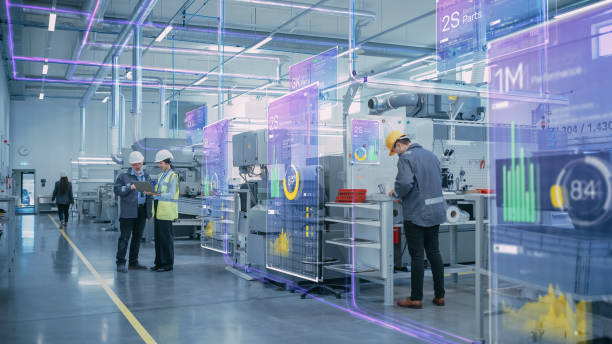
The concept of smart factories is becoming a reality, characterized by interconnected systems that enable real-time monitoring and autonomous decision-making. Technologies such as collaborative robots (cobots) and digital twins are being deployed to boost productivity and innovation. Other examples of the benefits of Smart Factories include improved quality, with advanced robotics and AI driven quality checks reducing the number of defective products. The ever important factor of cost efficiency is managed better with reduced waste, energy optimisation and maintenance savings due to the predictive maintenance reducing the number of machine failures and costly repairs. These examples ultimately create a faster time to market, as not only do concepts such as 3D printing and simulation tools accelerate development, but the improved efficient workflow ensures the seamless integration between design, production and supply chains, which in turn shortens lead times.
3. AI-Powered Predictive Maintenance
In the first of the examples listed above, we touched on Predictive Maintenance. This is a key area within the Manufacturing Industry that can have a big impact on the profitability of the business. AI is being leveraged for predictive maintenance, enabling manufacturers to anticipate equipment failures and schedule timely interventions. This approach minimizes downtime and extends machinery lifespan. Other benefits include:
Cost Savings
- Avoids expensive emergency repairs and reduces reliance on costly spare part inventories.
- Optimizes maintenance schedules, reducing unnecessary preventive maintenance and associated labor costs.
Enhanced Safety
- Identifies risks that could lead to accidents or unsafe conditions.
- Provides early warnings about potentially hazardous equipment malfunctions.
Scalability
- AI systems can adapt to monitor multiple assets across various locations, making them suitable for both small and large-scale operations.
- Provides a centralized platform for managing maintenance across the organization.
4. Integration of Large Language Models
The incorporation of large language models, such as GPT-4, into multi-agent manufacturing systems enhances adaptability and coordination. These models enable agents to communicate in natural language and interpret human instructions for decision-making, leading to more flexible manufacturing processes. LLM's can also be integrated into various applications. Examples include:
- Customer Support: Chatbots and virtual assistants.
- Content Creation: Generating blogs, reports, or summaries.
- Search and Retrieval: Enhancing search engines or creating question-answering systems.
- Education: Providing personalized learning experiences.
- Healthcare: Assisting in medical documentation or patient interaction.
- Software Development: Writing, debugging, or explaining code.

5. Emphasis on Cybersecurity and Data Protection
As manufacturing becomes increasingly digital, there is a heightened focus on overcoming interoperability challenges between new and legacy systems, prioritizing cybersecurity and ensuring data protection. Developing talent with a blend of technical knowledge, digital skills and soft skills is crucial for supporting the broader evolution toward smart operations. These advancements are reshaping manufacturing into a more efficient, flexible and intelligent industry, positioning it to meet the demands of the future.

If you are central to the development and processes within your business, take a look around our site and see how we have helped our clients with automation/integration projects to date. We welcome all enquiries from all businesses that may still be utilsing costly and labour intensive manual processes and want to upgrade to a more efficent, automated and effective way of operating. Contact us today, either by submitting a web contact form (https://www.solweb.co.uk/contact), emailing This email address is being protected from spambots. You need JavaScript enabled to view it. or call us on 01202 232846.
Artificial Intelligence (AI) has become a transformative force across industries, reshaping how businesses operate, innovate and compete. AI refers to the simulation of human intelligence in machines programmed to think, learn, and solve problems. From automating repetitive tasks to providing deep insights from data, AI is enabling businesses to achieve efficiency, improve decision-making and enhance customer experiences.
This article explores how businesses can use AI, focusing on practical applications, implementation strategies and the benefits of adopting AI technologies. Whether you're a small business or a multinational corporation, integrating AI into your operations can unlock immense potential.
1. AI for Enhanced Customer Experiences
Customer satisfaction is at the heart of every successful business. AI technologies enable companies to personalize interactions, provide faster support and predict customer needs.
a. Chatbots and Virtual Assistants
AI-driven chatbots and virtual assistants provide real-time customer support, answering queries, resolving issues and guiding users through purchasing processes. These tools are available 24/7, reducing response times and increasing customer satisfaction.
- Example: E-commerce platforms use chatbots to assist customers with product recommendations, order tracking and returns.
- Implementation: Businesses can deploy AI chatbots using platforms like Drift, ChatGPT, or Microsoft Bot Framework to manage customer interactions efficiently.
b. Personalized Recommendations
AI algorithms analyse customer data, including browsing history and purchase behaviour, to offer personalized product or service recommendations. This approach improves customer engagement and increases sales.
- Example: Streaming services like Netflix and retail giants like Amazon use recommendation engines powered by AI to drive user engagement.
- Implementation: Businesses can integrate AI tools such as Salesforce Einstein or IBM Watson into their CRM systems to personalize customer interactions.

2. AI in Data Analytics and Business Insights
AI excels in processing vast amounts of data, uncovering patterns and generating actionable insights. By leveraging AI-driven analytics, businesses can make informed decisions that drive growth.
a. Predictive Analytics
AI models analyse historical data to predict future trends, helping businesses prepare for upcoming challenges and opportunities. This is particularly useful in sales forecasting, inventory management and demand planning.
- Example: A retailer can use AI to anticipate stock requirements during holiday seasons based on past sales trends.
- Implementation: Tools like Tableau, Power BI with AI integrations and Google Cloud AI can be used to implement predictive analytics.
b. Sentiment Analysis
AI-powered sentiment analysis tools help businesses gauge public opinion about their products, services, or brand by analysing social media posts, reviews and feedback.
- Example: Companies like Coca-Cola use AI to monitor consumer sentiment on social media, allowing them to adjust marketing strategies accordingly.
- Implementation: Platforms such as Hootsuite Insights or MonkeyLearn can be utilized to perform sentiment analysis.
3. AI for Automation and Operational Efficiency
AI-driven automation can save time, reduce costs and minimize human error by handling repetitive tasks and streamlining complex processes.
a. Process Automation
AI-powered tools can automate routine business tasks such as data entry, invoice processing and report generation, freeing up employees for higher-value activities.
- Example: Accounting software like Xero and QuickBooks uses AI to automate bookkeeping and financial reporting.
- Implementation: Robotic Process Automation (RPA) tools like UiPath or Blue Prism can be deployed for automating repetitive workflows.
b. Supply Chain Optimization
AI can optimize supply chain operations by predicting demand, managing inventory and identifying inefficiencies. This reduces costs and ensures timely delivery of goods.
- Example: AI solutions like ClearMetal use predictive analytics to improve supply chain visibility and efficiency.
- Implementation: Integrate AI tools with existing supply chain management systems to enhance forecasting and logistics.
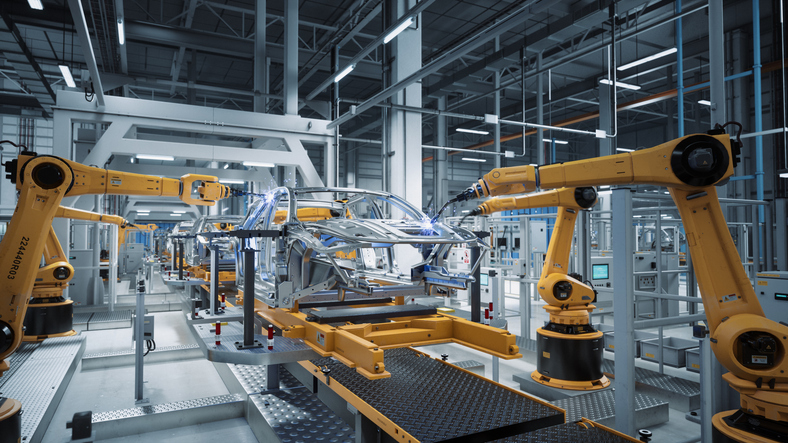
4. AI in Marketing and Sales
AI is revolutionizing marketing and sales strategies by enabling targeted campaigns, lead generation and customer segmentation.
a. Targeted Advertising
AI algorithms analyse consumer data to create personalized ad campaigns that resonate with specific audiences, increasing conversion rates and ROI.
- Example: Social media platforms like Facebook and Google Ads leverage AI to deliver targeted advertisements based on user behaviour.
- Implementation: Businesses can use tools like Adzooma or HubSpot to create AI-driven marketing campaigns.
b. Sales Enablement
AI tools can prioritize leads, analyse customer behaviour and recommend the best sales strategies. This ensures that sales teams focus their efforts on high-potential prospects.
- Example: AI-driven CRM systems like Salesforce Einstein provide insights into customer engagement and recommend next steps for sales representatives.
- Implementation: Integrate AI-powered CRMs to track and optimize sales processes.
5. AI in Human Resources
AI is transforming human resource management by streamlining recruitment, employee engagement and workforce planning.
a. Talent Acquisition
AI-driven recruitment tools can screen resumes, analyse candidates' qualifications and even conduct initial interviews, speeding up the hiring process.
- Example: Platforms like HireVue and LinkedIn Talent Insights use AI to identify and assess top talent.
- Implementation: Incorporate AI recruitment software to manage hiring more efficiently.
b. Employee Engagement
AI can monitor employee sentiment, predict turnover risks and recommend actions to improve engagement and satisfaction.
- Example: AI tools like Glint or Culture Amp provide insights into employee satisfaction and suggest measures to enhance workplace culture.
- Implementation: Deploy AI analytics tools in HR systems to assess and improve employee engagement.
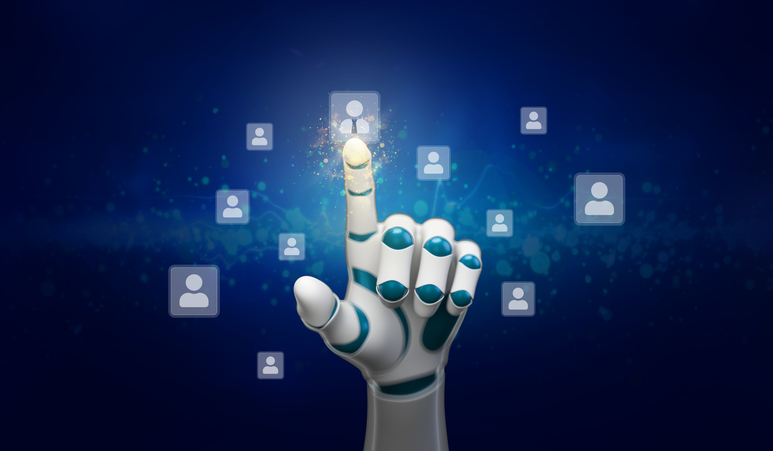
6. AI in Manufacturing
Manufacturing industries leverage AI to improve production processes, ensure quality and reduce downtime.
a. Predictive Maintenance
AI sensors monitor machinery in real-time, predicting when maintenance is needed to prevent breakdowns and reduce downtime.
- Example: General Electric uses AI in its "Predix" platform to predict equipment failures in manufacturing plants.
- Implementation: Deploy AI-based IoT solutions to monitor and maintain industrial equipment.
b. Quality Control
AI-powered vision systems can detect defects in products during the manufacturing process, ensuring high quality and reducing waste.
- Example: Automotive manufacturers use AI-powered inspection systems to identify defects in parts during assembly.
- Implementation: Integrate AI visual inspection systems into production lines.
7. AI in Finance and Accounting
AI is transforming finance and accounting by improving accuracy, detecting fraud and streamlining financial management.
a. Fraud Detection
AI algorithms can identify unusual patterns in transactions, flagging potential fraud in real-time.
- Example: Banks like JP Morgan Chase use AI to detect and prevent fraudulent transactions.
- Implementation: Use AI fraud detection tools such as SAS Fraud Management or Feedzai.
b. Financial Forecasting
AI-driven financial models provide accurate forecasts for revenue, expenses and cash flow, helping businesses plan better.
- Example: Fintech platforms like Brex and Kabbage use AI to offer businesses real-time financial insights.
- Implementation: Integrate AI-driven forecasting tools into accounting software for better financial planning.
8. Challenges and Considerations
While AI offers immense opportunities, businesses should be mindful of the challenges associated with its implementation.
a. Cost and Complexity
Developing and integrating AI solutions can be costly and require significant technical expertise. Businesses should carefully assess ROI before investing.
b. Ethical Concerns
AI systems can sometimes make biased decisions due to flawed training data. Businesses must ensure ethical use of AI by maintaining transparency and fairness in their algorithms.
c. Data Privacy
AI relies heavily on data, raising concerns about privacy and security. Businesses must comply with data protection regulations (GDPR) when implementing AI.
Key Steps to Implement AI in Your Business
- Identify Pain Points: Determine specific areas where AI can address challenges or improve processes.
- Define Objectives: Set clear goals for AI implementation, such as reducing costs, increasing efficiency, or improving customer satisfaction.
- Choose the Right Tools: Research and select AI platforms that align with your business needs.
- Invest in Talent: Hire or train employees with expertise in AI and data science.
- Start Small: Begin with pilot projects to test AI applications before scaling up.
- Monitor and Optimize: Continuously evaluate the performance of AI systems and make adjustments as needed.
Conclusion
Artificial Intelligence is no longer a futuristic concept; it is a powerful tool that businesses can use today to drive innovation, improve efficiency and gain a competitive edge. By integrating AI into customer service, marketing, operations and other critical functions, businesses can unlock new opportunities and position themselves for long-term success.
However, successful AI adoption requires a strategic approach, starting with clear objectives and careful planning. By addressing challenges and leveraging the right tools, businesses of all sizes can harness the transformative power of AI to stay ahead in an increasingly competitive landscape.
Computers have become an integral part of modern life, revolutionizing every aspect of society. From communication and education to healthcare and entertainment, the influence of computers on society is profound and far-reaching. They have transformed how we live, work and interact, creating opportunities and challenges that shape the way we navigate the modern world.
This blog explores the multifaceted impact of computers on society, highlighting their influence on different sectors, the benefits they bring and the potential challenges they present.
1. The evolution of computers and their pervasiveness
Computers have evolved from massive, room-filling machines in the mid-20th century to portable devices we carry in our pockets. This evolution has made computers accessible to billions of people, enabling their integration into daily life.
a. From specialized tools to everyday necessities - Initially, computers were used exclusively in scientific research and military applications. Over time, they became mainstream tools in business, education and households. Today, personal computers, laptops and smartphones are ubiquitous, blurring the lines between work and personal life.
b. Connectivity and the Internet - The integration of computers with the internet has amplified their societal impact. The ability to access vast amounts of information, connect with people worldwide and perform a wide array of tasks online has redefined the concept of global connectivity.
2. The role of computers in communication
The advent of computers has revolutionized communication, making it faster, more efficient and more accessible.
a. Digital Communication Channel - Email, instant messaging and social media platforms have replaced traditional methods of communication like postal mail and landline telephony. These tools enable instant interaction across geographical boundaries.
Example: Social media platforms like Facebook, Twitter (X) and WhatsApp, allow people to connect, share ideas and maintain relationships regardless of physical distance.
b. Remote Work and Collaboration - Computers facilitate remote work through video conferencing, cloud storage and collaborative tools. This shift was especially evident during the COVID-19 pandemic, when businesses and institutions adopted remote operations to ensure continuity.
Example: Platforms like Zoom, Microsoft Teams and Google Workspace enable real-time collaboration among teams dispersed across different locations.

3. Computers in education
Computers have redefined education, making learning more accessible, interactive and personalized.
a. E-Learning and Online Education - Computers enable online education through platforms like Coursera, Khan Academy and Udemy, providing access to courses on virtually any subject. This democratization of education allows individuals from all walks of life to acquire knowledge and skills.
Example: Massive Open Online Courses (MOOCs) offer affordable and flexible learning options, particularly beneficial for students in remote or underserved areas.
b. Interactive Learning - Digital tools like simulations, educational games and virtual labs enhance learning experiences by making complex concepts more understandable and engaging.
Example: Science students can use virtual dissection tools or interactive software to explore anatomy without the need for physical specimens.
c. Bridging Educational Gaps - Computers help bridge the gap between privileged and underprivileged students by providing access to resources like digital libraries, open-source software and online tutoring.
4. The impact of computers on healthcare
The healthcare sector has greatly benefited from advancements in computing, leading to improved diagnosis, treatment and patient care.
a. Medical Research and Diagnostics - Computers enable the analysis of vast datasets, aiding in medical research and the discovery of new treatments. AI-powered diagnostic tools improve the accuracy and speed of detecting diseases.
Example: AI algorithms are used to analyse medical images, identifying conditions like cancer or cardiovascular diseases with high precision.
b. Telemedicine - Computers facilitate telemedicine, allowing patients to consult doctors remotely. This is especially beneficial for individuals in rural or underserved areas.
Example: Apps like Teladoc and Doctor on Demand enable video consultations, prescription management and remote monitoring of chronic conditions.
c. Health Information Systems - Electronic Health Records (EHRs) streamline patient data management, making it easier for healthcare providers to access and update medical histories.
Example: Systems like Epic and Cerner improve patient care by providing a centralized platform for managing health records.

5. Economic and industrial transformation
Computers have played a pivotal role in transforming economies and industries, driving innovation and efficiency.
a. Automation and Productivity - Computers automate repetitive tasks, allowing businesses to focus on innovation and value creation. Automation has revolutionized industries like manufacturing, logistics and finance.
Example: Robotics powered by computer systems optimize assembly lines, reducing production costs and improving efficiency.
b. E-Commerce - The rise of e-commerce platforms like Amazon and eBay has changed the retail landscape, making shopping convenient and accessible to consumers worldwide.
c. Financial Systems - Computers power global financial systems, enabling online banking, digital payments and algorithmic trading. This has made financial services more accessible while increasing the speed of transactions.
Example: Digital wallets like PayPal and Google Pay facilitate seamless online transactions.
6. Cultural and social influence
The cultural and social fabric of society has been significantly influenced by computers, altering how people interact, consume media and express themselves.
a. Digital Media and Entertainment - Streaming services like Netflix and Spotify have transformed how people consume music, movies and television. Computers enable on-demand access to vast libraries of content, providing personalized recommendations based on user preferences. b. Social Media and Virtual Communities - Social media platforms create virtual communities where people share experiences, collaborate and advocate for causes. While these platforms foster connectivity, they also raise concerns about misinformation and online harassment.
c. Gaming and Virtual Worlds - Computers have given rise to the gaming industry, offering immersive experiences through virtual and augmented reality. Online multiplayer games connect players globally, fostering social interaction and competition.

7. Environmental Impact
While computers contribute to economic growth and efficiency, their widespread use raises concerns about environmental sustainability.
a. E-Waste - The rapid pace of technological advancements leads to frequent hardware upgrades, generating significant amounts of electronic waste. Improper disposal of computers and related components poses environmental hazards.
b. Energy Consumption - Data centres that power cloud computing and internet services consume vast amounts of electricity, contributing to carbon emissions. Efforts are underway to develop energy-efficient computing solutions.
Example: Companies like Google and Microsoft are investing in renewable energy to power their data centres.
8. Ethical and Privacy Concerns
The proliferation of computers and digital technologies raises ethical issues related to privacy, surveillance and data security.
a. Data Privacy - With the increasing reliance on computers for communication, transactions and storage, personal data is often collected and stored by organizations. Ensuring the security of this data is a growing concern.
b. Cybersecurity Threats - The digital age has given rise to cyber threats such as hacking, phishing and ransomware attacks. Businesses and individuals must adopt robust security measures to protect their information.
c. AI and Ethical Dilemmas - The integration of AI in computers raises ethical questions about decision-making, bias and accountability. Ensuring that AI systems operate transparently and fairly is crucial for their societal acceptance.

9. Challenges and Potential Solutions
While the influence of computers on society is overwhelmingly positive, addressing challenges is essential to ensure their benefits are maximized.
a. Digital Divide - Not everyone has equal access to computers and the internet, creating a digital divide between different socioeconomic groups. Initiatives to provide affordable devices and internet connectivity can help bridge this gap.
b. Job Displacement - Automation powered by computers can lead to job displacement in certain sectors. Reskilling and upskilling initiatives are necessary to prepare the workforce for new opportunities.
c. Addiction and Overdependence - Excessive reliance on computers can lead to issues like digital addiction, reduced face-to-face interaction and mental health challenges. Encouraging digital well-being practices is essential for maintaining balance.
Conclusion
The influence of computers on society is profound and multifaceted, touching every aspect of modern life. They have transformed how we communicate, learn, work and entertain ourselves, offering opportunities for growth and innovation. However, the challenges posed by their widespread use, such as environmental impact, ethical dilemmas and the digital divide, require careful consideration and proactive solutions. As society continues to integrate computers into its fabric, the focus should be on harnessing their potential for positive change while addressing the associated challenges responsibly. By fostering inclusivity, promoting sustainability and prioritizing ethical practices, computers can continue to be a powerful force for progress in the 21st century.
The Challenges of running a Business

Running a business in 2024 and looking ahead to continuing in 2025, maybe proving to be a challenging time for many. We continue to live in a cost of living crisis, with utlility costs on the increase again, rising insurance costs, fuel prices seem to plateau for a time before jumping up again and then we have the recent budget that arguably means further financial pressures for many businesses. So it is imperative that businesses look for ways to at least maintain acceptable profit margins and ensure they can continue to trade.
Of course, all businesses will have their own specific challenges relevant to the sector in which they operate; others may even be flourishing as a result of the issues faced by some. Whatever the state of a business, there are certain areas of pain that are commonplace and have to be regularly reviewed and addressed to ensure they do not have a counter productive effect. To follow, is a selection of some of the problems businesses regularly encounter when new or existing clients come to us for help.
Financial Management
- Cash Flow Issues: Difficulty managing inflows and outflows, leading to shortages.
- Budgeting and Forecasting: Inaccurate financial projections affecting decisions.
- High Operating Costs: Struggles with reducing costs without compromising quality.

Operational Inefficiencies
- Process Bottlenecks: Delays due to outdated or poorly designed workflows.
- Lack of Automation: Dependence on manual processes reduces productivity.
- Supply Chain Disruptions: Problems with inventory management, supplier delays, or logistics inefficiencies.
Customer Challenges
- Customer Retention: Difficulty in maintaining long-term relationships.
- Customer Service Issues: Inadequate support leading to dissatisfaction.
- Meeting Expectations: Adapting to rapidly evolving customer needs.
Workforce Management
- Talent Acquisition and Retention: Finding and keeping the right people.
- Employee Productivity: Issues like burnout, low morale, or lack of engagement.
- Skills Gaps: A mismatch between employee skills and business needs.

Technological Integration
- Legacy Systems: Outdated technology that hampers growth and innovation.
- Cybersecurity Risks: Threats like data breaches and ransomware.
- Resistance to Change: Employee reluctance to adopt new technologies.
Market and Competitive Pressures
- Increased Competition: Struggling to differentiate in a crowded market.
- Economic Uncertainty: Volatile markets affecting stability.
- Pricing Pressures: Balancing competitive pricing with profitability.
Compliance and Regulatory Challenges
- Changing Regulations: Difficulty staying updated with evolving laws.
- Data Privacy: Compliance with GDPR, HIPAA, or other standards.
- Legal Risks: Exposure to fines or lawsuits due to non-compliance.

Strategic Alignment
- Lack of Clear Vision: Unclear goals leading to misaligned efforts.
- Poor Communication: Disconnect between departments or leadership and staff.
- Ineffective Decision-Making: Data silos or lack of insights hampering strategy.
Sales and Marketing
- Lead Generation: Struggles with acquiring and converting leads.
- Brand Visibility: Low awareness in the target market.
- Return on Investment (ROI): Difficulty proving the impact of campaigns.
Scalability and Growth
- Infrastructure Limitations: Lack of resources to support expansion.
- Innovation Challenges: Falling behind in adapting to trends and new technologies.
- Global Expansion: Navigating cultural, logistical, and legal complexities

Here at Solweb, we don't have a magic wand that can make all these problems disappear, but we do have adundant experience in developing custom software solutions that go a long way to the easing issues that clients face. Addressing these pain areas typically involves process improvements, automation, better resource allocation and leveraging data-driven strategies.
Identifying the root cause is key to solving them effectively. This is where Solweb can really help to understand the issues faced and recommend the most effective way of easing the pain or in some cases, eradicating the problem completely. Following our tried and trusted method, we have developed hundreds of projects that have been deployed and continue to be utillised in our clients businesses.
Furthermore, every project we undertake is developed with the future in mind. Processes change, personnel move on, legislation changes and a whole host of other variables occur frequently in businesses, that means software needs to change to accommodate them. We build all of our applications so that they can be amended or if required upgraded, to work seamlessly with any changes that affect your business. Add to that, we offer our very responsive and robust support service, that will ensure you have the most effective support available to you during office hours.
If you are suffering any type of pain currently in your business and want to explore if Solweb can help ease that pain, please complete a web contact form, email us at This email address is being protected from spambots. You need JavaScript enabled to view it. or call us on 01202 232846

The Benefits of Automating Your Business with Software
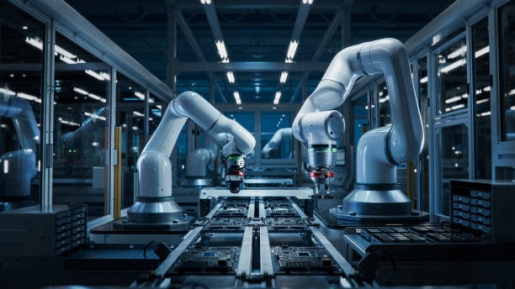
In today’s fast-paced and competitive marketplace, businesses must continually innovate to stay ahead. One of the most impactful ways to boost efficiency, reduce costs and improve overall operations is through automation. By leveraging modern software tools, businesses can automate a wide range of processes, from routine tasks like data entry and payroll, to more complex workflows such as customer relationship management (CRM) and supply chain logistics. Automation not only streamlines operations but also enhances accuracy, scalability and flexibility, enabling businesses to remain competitive in the digital age.
This article explores the key benefits of automating your business with software, highlighting how automation can drive growth, improve efficiency and transform how you work.
1. Increased Efficiency and Productivity
One of the most obvious and significant benefits of business automation is the increased efficiency it brings. Manual processes often require substantial time and effort, especially for tasks like data entry, invoicing and inventory management. By automating these routine tasks, businesses can save countless hours and ensure that operations are completed quickly and accurately.
For example, instead of manually processing invoices, accounting software can automatically generate and send invoices to clients, track payment statuses and even send reminders for overdue payments. Similarly, human resources software can automate employee onboarding, benefits administration and performance evaluations, allowing HR teams to focus on strategic activities rather than repetitive administrative tasks.
Automating processes reduces the need for human intervention, which in turn minimizes errors and accelerates task completion. The result is a more productive workforce, as employees can focus on higher-value work, such as problem-solving, creativity and decision-making.
2. Cost Savings
Automating business processes can lead to significant cost savings by reducing the amount of manual labour required to complete tasks. Fewer hours spent on repetitive, time-consuming tasks translate to lower labour costs and higher output.
Automated systems work around the clock, ensuring that tasks continue to be processed even outside regular business hours. This continuous operation can help businesses reduce turnaround times, increase output and ultimately drive more revenue without the need to hire additional staff.

3. Improved Accuracy and Reduced Errors
Human error is an inevitable part of manual processes. Whether it’s entering incorrect data, missing a step in a process, or misplacing a document, these mistakes can have costly consequences. Automation software eliminates many of these risks by standardizing workflows and removing the need for manual input in critical processes.
For instance, accounting automation software can ensure that financial records are accurate and compliant with tax regulations by automatically generating reports, reconciling transactions and identifying discrepancies. Inventory management software can automatically update stock levels in real-time, reducing the risk of overselling or running out of stock.
By reducing the chances of human error, businesses can ensure more consistent and reliable operations. This leads to improved data accuracy, better decision-making, and increased trust among customers and partners.
4. Scalability
As businesses grow, so do their operational demands. Manually scaling operations to handle more orders, customers, or employees can be difficult, time-consuming and costly. Automation allows businesses to scale more easily by handling increased volumes of work without the need to add additional staff or infrastructure.
For example, a business that relies on automated order processing can handle a sudden influx of customer orders during peak shopping periods without overwhelming its staff. Similarly, a CRM system can manage thousands of customer interactions, tracking leads, sending automated follow-ups and maintaining customer satisfaction, regardless of how much the business expands.
With automation, businesses can easily handle growth without compromising on efficiency or customer service, enabling them to scale up (or down) in response to changing market conditions.
5. Enhanced Customer Experience
In today’s consumer-driven market, customer experience is a key differentiator. Automation helps businesses deliver better customer experiences by ensuring that interactions are faster, more personalized, and more reliable.
Customer support automation, such as chatbots and AI-driven virtual assistants, allows businesses to provide 24/7 customer service without the need for human intervention. This means customers can get instant answers to their questions, resolve issues quickly and access support at any time, improving overall satisfaction.
CRM software can automate personalized marketing campaigns based on customer behaviour and preferences. Automated systems can track customer interactions, segment audiences and send targeted messages, such as special offers or product recommendations, improving engagement and loyalty.
By automating customer interactions and communication, businesses can ensure a consistent and seamless customer experience, which is crucial for building long-term relationships and fostering brand loyalty.
6. Better Decision-Making with Real-Time Data
Data-driven decision-making is essential in today’s competitive landscape. However, collecting, processing and analysing data manually can be slow, inefficient and prone to errors. Automation software provides businesses with real-time access to data, enabling them to make informed decisions based on up-to-date information.
Business intelligence (BI) software, for instance, can automatically gather and analyse data from multiple sources, providing visual reports and dashboards that help decision-makers identify trends, track performance and forecast future outcomes. This level of insight allows businesses to optimize their operations, allocate resources more effectively and respond quickly to market changes.
Automation tools also make it easier to track key performance indicators (KPIs) and metrics, ensuring that business leaders have the information they need to stay competitive and agile. With real-time data at their fingertips, businesses can make smarter decisions faster, leading to improved outcomes and long-term success.

7. Compliance and Risk Management
Staying compliant with industry regulations is essential for businesses, particularly in highly regulated sectors such as healthcare, finance and manufacturing. However, managing compliance manually can be complex and time-consuming. Automation software helps businesses ensure that they meet regulatory requirements by automating compliance-related tasks and generating audit trails.
For example, in the healthcare industry, automation can ensure that patient data is managed securely and in accordance with privacy regulations such as the Health Insurance Portability and Accountability Act (HIPAA). In finance, automation can streamline tax reporting, ensuring that all financial records are accurate and that businesses remain compliant with tax laws.
Automation tools can also help businesses mitigate risks by flagging potential compliance issues early and ensuring that proper procedures are followed. This proactive approach to risk management helps businesses avoid costly fines, legal disputes and reputational damage.
8. Streamlined Collaboration and Communication
Effective communication and collaboration are vital for the success of any business. However, managing communication across teams, departments, or even different geographical locations can be challenging, especially for growing businesses. Automation tools help streamline collaboration by providing platforms for centralized communication, task management and project tracking.
For example, project management software such as Asana, Trello, or Monday.com can automate the assignment of tasks, set deadlines and send reminders to team members, ensuring that everyone is on the same page and working toward common goals. Similarly, cloud-based file sharing and document management tools allow employees to collaborate on documents in real-time, eliminating version control issues and reducing the need for lengthy email chains.
By automating communication and collaboration processes, businesses can ensure that projects stay on track, team members remain aligned and productivity is maximized, regardless of location or time zone.

9. Employee Satisfaction and Retention
Automation not only benefits businesses but also has a positive impact on employees. By automating repetitive and mundane tasks, businesses free up their employees to focus on more meaningful and engaging work. This leads to higher job satisfaction and can reduce burnout, as employees are no longer bogged down by administrative tasks that offer little value.
In addition, automation tools can help employees be more productive by providing them with the tools they need to work efficiently. Whether it’s automating routine workflows, generating reports, or managing tasks, employees can perform their jobs more effectively with the right software in place.
A happier, more engaged workforce is more likely to stay with the company long-term, reducing turnover and the associated costs of hiring and training new employees. In this way, automation can contribute to improved employee satisfaction and retention, which is critical for maintaining a motivated and productive team.
Conclusion
Automating your business with software offers a wide range of benefits that can transform the way you operate. From increased efficiency and cost savings to improved accuracy, scalability and customer experiences, automation is a powerful tool for driving growth and competitiveness in the modern business environment. By reducing manual processes, enhancing data-driven decision-making and streamlining collaboration, automation allows businesses to operate more smoothly, adapt to changing market demands and focus on what matters most: innovation, customer satisfaction and long-term success.
As technology continues to evolve, businesses that embrace automation will be better positioned to thrive in an increasingly digital and competitive world.
If you would like to discuss how Solweb could help your business, then call us today on 01202 232846, complete a contact form on our website or email us This email address is being protected from spambots. You need JavaScript enabled to view it.